
Donation guide
How to Donate Clothes: A Step-by-Step Guide
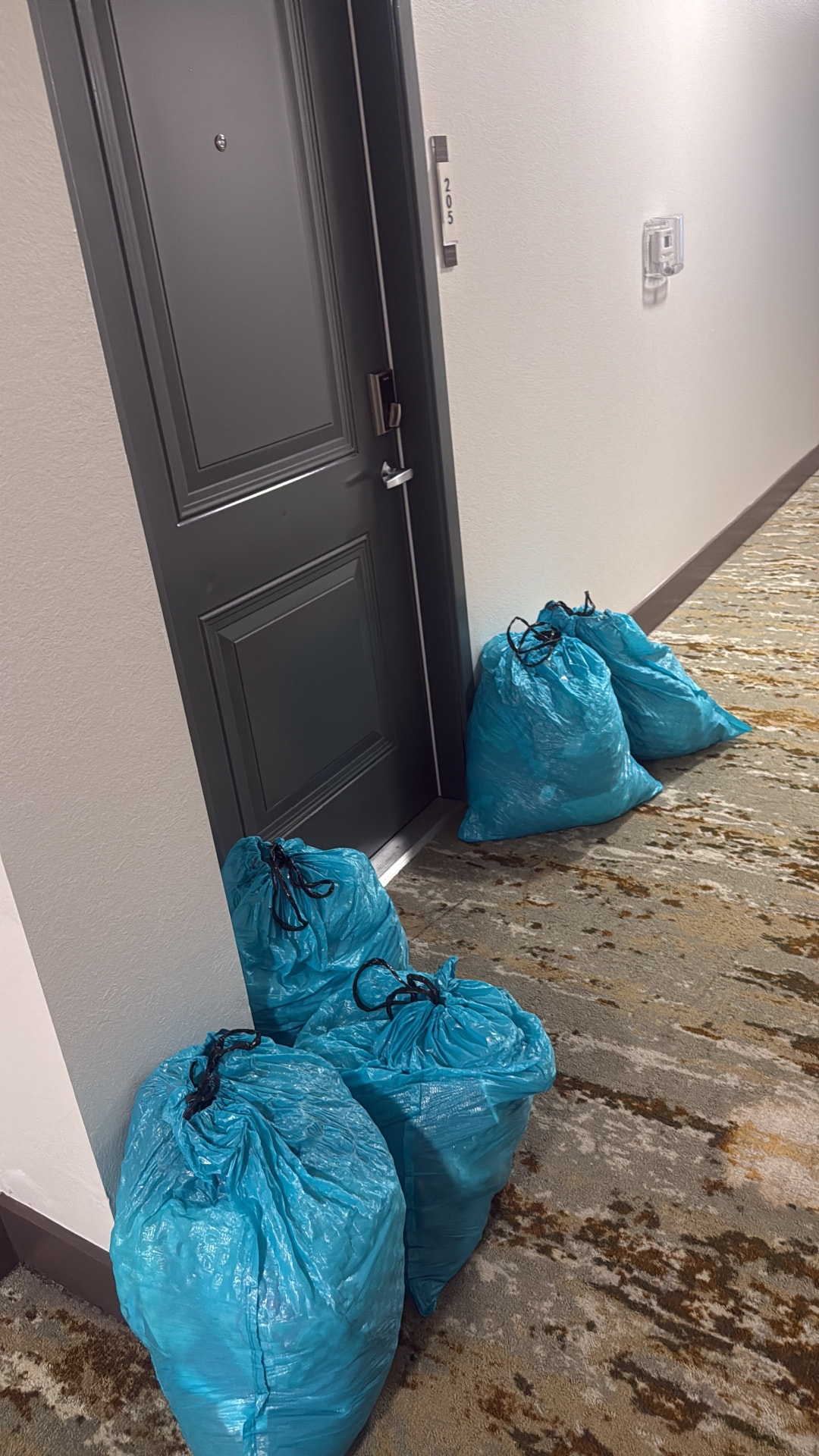
Donating clothes is one of the easiest ways to declutter your home, reduce waste and make a real difference in your community. But if you want your donation to have the greatest impact, there is a right way to do it. This guide walks you through the whole process, from sorting your closet to handing the bags off.
Why donate clothes?
Before the how, a word on the why. Clothing donations have ripple effects well beyond a tidier closet.
- Reduce landfill waste. The average American throws away roughly 81 pounds of clothing a year, and about 85% of discarded textiles end up in landfills or incinerators. Donating keeps those items in circulation.
- Help people who need it. Your donation becomes affordable, wearable clothing for families who cannot buy new.
- Support a cause. Many organizations use donated clothing to fund their mission, from animal rescue to homelessness prevention.
- Clear your space. Free up closet room and enjoy the mental clarity of a simpler wardrobe.
Step 1: Assess your closet
Start by going through your wardrobe and pulling anything you no longer wear. Three questions make the decision quick:
- Have you worn it in the last year?
- Does it actually fit?
- Is it still in good condition?
Only donate what you would wear
Heavily worn, stained or damaged clothing is hard for any organization to place. If a piece is too worn for you to wear, it is too worn to donate. Would you be comfortable wearing it? If not, neither will the next person.
Step 2: Sort your donations
Grouping similar items makes everything faster for whoever receives your bags. Sort into categories like:
- Tops — shirts, blouses, sweaters
- Bottoms — pants, skirts, shorts
- Dresses and jumpsuits
- Outerwear — jackets and coats
- Undergarments and socks
- Shoes
- Accessories — scarves, belts, hats, bags
Step 3: Prepare your clothes
Wash when you can
Clean garments are far more likely to be used. It does not need to be complicated — a gentle cycle is fine for most items.
Fix small problems
A loose button or a short seam separation takes two minutes to repair and dramatically increases the chance the item finds a new home.
Check that everything works
Zippers zip, buttons hold, seams are intact, elastic still has life in it. Pair shoes together so they do not get separated.
Step 4: Fold and bag it
- Fold neatly. It shows respect for the receiving organization and makes sorting much easier.
- Use sturdy bags and tie them shut so everything stays dry if it rains on pickup day. Clear bags are a nice touch because the contents are visible at a glance.
- Keep your best items separate from marginal ones instead of mixing them together.
- Keep each bag under about 25 pounds so anyone can lift it, and give linens and kitchenware their own bags.
Step 5: Choose where to donate
You have more options than the nearest bin, and they suit different situations.
- Thrift stores and outdoor bins — best for one small bag you can drop off on the way somewhere.
- Specialized nonprofits — animal welfare organizations, shelters, women's programs and disaster relief groups.
- Community options — clothing swaps, neighborhood free racks, community centers and churches.
- Free home pickup — best when you have several bags, limited car space or hours that do not match store times.
Step 6: Drop off or arrange a pickup
Most organizations offer drop-off hours, scheduled pickups for larger donations and receipts for your records. If you plan to claim a deduction, photograph the bags before they leave.
Step 7: Keep track for tax purposes
If you donate to an IRS-qualified nonprofit you may be able to claim a deduction. Keep your receipt, a photo of the items and a short inventory list with estimated values, and check with a tax professional about what qualifies.
Ready to make an impact in Central Florida?
If you want your clothes to go toward a cause, donate through Clothes For Paws. Proceeds from what we collect support animal rescue and care across Central Florida through our partnership with Pet Alliance of Greater Orlando, and nothing we collect is sold in the United States — wearable goods are supplied at low cost to small entrepreneurs abroad, especially women in business.
- 1Sort and prepare your clothing using the steps above.
- 2Bag everything and tie the bags shut.
- 3Schedule a free pickup and leave the bags outside your front door on the day we confirm — you do not need to be home.
- 4Or join a clothing drive in your neighborhood, school, church, workplace or apartment community, where everyone drops donations at one designated collection spot.
There is no minimum. Two bags from one closet and forty bags from an office drive are equally welcome, and every one of them helps fund adoptions, veterinary care and the pet food pantry.
Final tips
- Be honest about condition. Donate only what you would be happy to receive.
- Act seasonally. Coats in the fall, lighter clothing in the spring.
- Keep going. Donating works best as a habit rather than a one-time cleanout.
- Spread the word. Telling friends and neighbors is how a single closet turns into a whole community drive.
Donating clothes is more than cleaning out a closet. It is a simple act with a long tail — less waste, a steadier income for someone running a small business, and real care for animals waiting for a home.
Have bags ready to go?
We pick up free across Orlando and eight Central Florida counties, and proceeds support Pet Alliance of Greater Orlando.